Outrigger pads are essential for ensuring the stability and safety of construction machinery, especially when working on soft, uneven, or sensitive ground. Cranes, cherry pickers, excavators, and other heavy equipment rely on outrigger pads to distribute their weight evenly, preventing accidents, equipment damage, and ground degradation.
Whether you’re operating in urban environments, rural construction sites, or difficult terrain, choosing the right outrigger pads is essential. This guide explores the factors to consider when selecting the right outrigger pads for your construction equipment, ensuring optimal performance, durability, and safety.
Why Outrigger Pads Are Important
Outrigger pads are designed to provide a stable and secure base for construction equipment by spreading the load of the machinery over a larger surface area. Without these pads, the equipment’s weight could cause the outriggers to sink into soft ground or result in instability, potentially leading to accidents.
Additionally, outrigger pads protect the ground from damage, such as ruts, marks, or the creation of depressions, especially in delicate environments such as grassed areas, paved surfaces, or urban construction zones.
In environments with softer soils or areas prone to shifting or sinking, the use of outrigger pads is especially important. They provide the necessary support to prevent heavy machinery from becoming stuck or destabilised.
For example, construction sites with loose soil or wetlands require extra care to ensure that the equipment remains stable, and this is where selecting the right outrigger pad material and size is critical.
Key Factors to Consider When Choosing Outrigger Pads
When it comes to selecting the right outrigger pads for your construction equipment, several factors come into play. Material, load capacity, size, and durability all affect how well the pads will perform and whether they are suitable for your specific project needs. Taking the time to consider each factor carefully will help you make the best decision.
Material of the Outrigger Pad
The material of the outrigger pad plays a key role in determining how well it will perform under various conditions. The most common materials for outrigger pads are wood, plastic, steel, and fiberglass. Each material has its own strengths and weaknesses.
Wood is one of the most traditional materials used for outrigger pads. It is relatively inexpensive and provides adequate support for lighter equipment. However, wood is prone to weathering, rot, and wear, especially when exposed to moisture or rough conditions, so it may require more maintenance compared to other materials.
Plastic, particularly high-density polyethylene (HDPE) and composite plastics, are becoming increasingly popular for outrigger pads due to their durability and resistance to environmental factors such as moisture, chemicals, and UV rays. Plastic pads are lightweight, easy to handle, and offer excellent performance in both dry and wet conditions. They are ideal for jobs where ease of movement and storage are essential.
Steel outrigger pads are extremely durable and offer high load-bearing capacity. They are best suited for heavy-duty equipment such as cranes, which require significant support. While steel is strong and long-lasting, it is also much heavier than plastic or wood, making it more challenging to transport and manoeuvre.
Fibreglass is another material used for outrigger pads. It is highly resistant to corrosion, chemicals, and extreme temperatures. Fibreglass pads provide excellent strength and are durable under harsh conditions. However, they tend to be more expensive than other materials and may not be necessary unless you’re working in very demanding environments.
Load Capacity of the Outrigger Pad
The load capacity of the outrigger pad is one of the most crucial factors when selecting the right pad for your machinery. Every outrigger pad comes with a weight limit, and it’s important to choose one that can safely support the weight of your equipment, along with the load it might carry during operation.
For example, cranes, which are heavy and often lift substantial loads, require outrigger pads that can handle much more weight than a cherry picker or small lift truck. If the pad isn’t rated to handle the weight of the machinery, there is a significant risk of failure. This can result in the equipment becoming unstable, leading to accidents or even damage to the machinery or ground.
To ensure you choose the right pad, make sure to check the equipment’s weight and the load it’s expected to carry, then select a pad with a higher capacity than the equipment’s weight to ensure safety.
Size and Dimensions of the Outrigger Pad
The size of the outrigger pad is equally important. It must be large enough to effectively distribute the weight of the equipment without overextending or causing an imbalance. A pad that is too small may not provide sufficient support, and the equipment could still sink into the ground or become unstable.
When choosing the size of the outrigger pad, consider both the footprint of the equipment’s outriggers and the condition of the ground. Larger pads are typically used for larger equipment or when operating on softer or more uneven ground. However, you don’t want the pads to be excessively large, as they could become difficult to handle, transport, or store. The right size ensures that the equipment is stable, while also allowing for easy maneuverability of the pads when setting up.
Stackable pads are also available, which allow for adjustments in height or load distribution. These are especially useful when working on uneven surfaces where you may need to increase the height of the pad to level the equipment.
Durability and Maintenance
Durability is a key consideration when choosing an outrigger pad. Construction equipment is often exposed to tough working conditions, and outrigger pads must withstand heavy loads, weather exposure, and the wear and tear of frequent use.
Pads made from durable materials like plastic, composite, or steel are designed to last longer, even in harsh environments. They are more resistant to cracking, splitting, or degrading compared to wood pads, which may need more frequent maintenance or replacement.
Choosing a durable outrigger pad reduces long-term costs and minimises downtime due to pad failure. Regular maintenance is also essential to ensure the pads remain in good condition. Inspect the pads regularly for any signs of damage or wear, and replace any pads that are cracked, split, or otherwise compromised.
Types of Outrigger Pads for Different Construction Equipment
Different types of construction equipment require specific outrigger pads. The weight and stability needs of each machine will dictate the best pad material and size.
Cranes
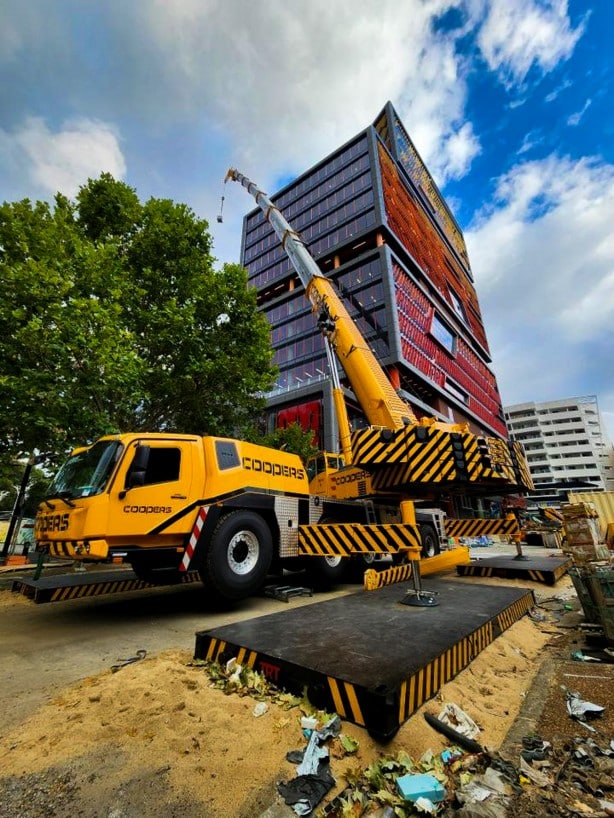
Cranes are heavy-duty machines that require large and strong outrigger pads to support their weight and the loads they lift. Steel outrigger pads are often the best option for cranes due to their strength and ability to handle substantial weight. For smaller cranes or cranes operating on softer ground, composite or plastic pads may also be suitable.
Cherry Pickers and Boom Lifts
For aerial lifts and boom lifts, lightweight composite outrigger pads are commonly used. These pads offer sufficient support for the equipment while being easy to transport and maneuver. Plastic outrigger pads are particularly well-suited for boom lifts as they are resistant to weathering and provide a stable base for the lift.
Excavators and Loaders
Excavators and loaders require sturdy outrigger pads that can withstand heavy lifting and rough terrain. Depending on the weight and size of the machine, either composite, plastic, or steel pads may be appropriate. For heavy-duty excavators, steel outrigger pads are the best option for maximum stability.
Trucks with Hydraulic Outriggers
Trucks with hydraulic outriggers, such as heavy-duty transport vehicles, often use medium-sized composite outrigger pads. These pads provide sufficient stability and support for the truck’s outriggers while being easy to store and handle.
How to Maintain Your Outrigger Pads
Proper maintenance of your outrigger pads will help extend their lifespan and ensure they continue to perform effectively. Here are some tips for maintaining your pads:
Clean Regularly
Cleaning your outrigger pads after each use helps prevent dirt, debris, and chemicals from accumulating on the surface. Use a non-abrasive cleaner and a cloth or soft brush to remove any buildup. This will help preserve the integrity of the pad and prevent damage.
Inspect for Damage
Regularly inspect your outrigger pads for cracks, splits, or signs of wear and tear. If you notice any damage, replace the pad immediately to avoid the risk of failure during use. Pads made from plastic or composite materials may show signs of stress after extensive use, so it’s important to check them regularly.
Store Properly
When not in use, store your outrigger pads in a dry, cool place. Avoid leaving them exposed to extreme temperatures or direct sunlight for prolonged periods, as this can cause the material to degrade over time. Proper storage helps maintain the durability and performance of the pads.
Final Thoughts
Selecting the right outrigger pads for your construction equipment is a critical decision that impacts the safety, stability, and efficiency of your worksite. By considering factors such as material, load capacity, size, durability, and maintenance, you can ensure that your equipment remains stable and that the ground is protected from unnecessary damage.
Whether you’re using cranes, cherry pickers, or excavators, choosing the right outrigger pads will help keep your equipment running smoothly, ensuring safety and preventing costly accidents.
Consulting with an experienced supplier and ensuring the right fit for your specific machinery and site conditions is the best way to make an informed decision. Taking the time to select high-quality, durable outrigger pads will ultimately save you time and money in the long run, as well as contribute to a safer, more efficient construction site.